Home / Painting Interiors of Older Riverside Homes
Painting Interiors of Older Riverside Homes
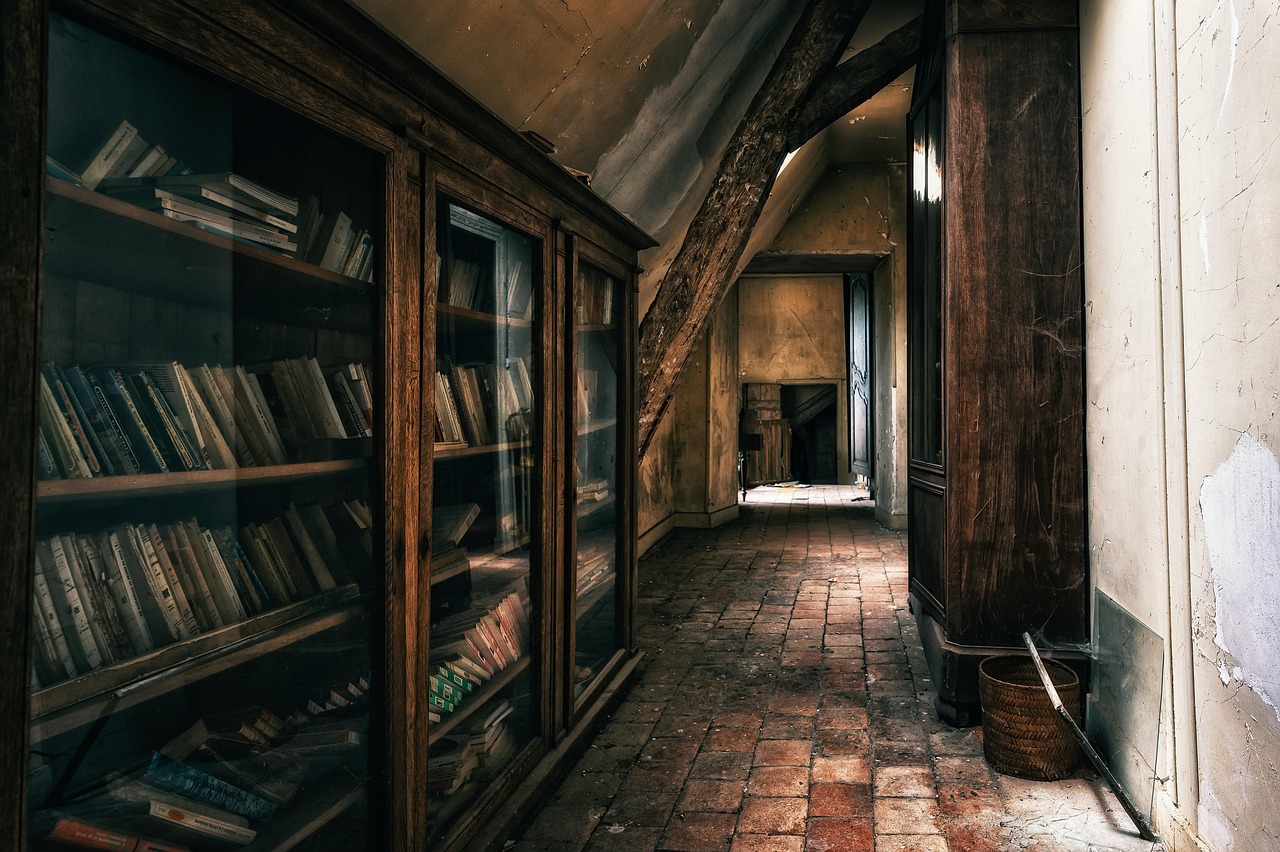
The short answer to how an older Riverside interior should be painted is this: slowly, with more time spent on testing and preparation than on rolling color. Homes near downtown, within walking distance of the Mission Inn and through the older blocks that ring the historic core, often have walls, woodwork and finishes that predate modern drywall and modern paint. Treating them like a new tract house leads to peeling, cracking and lost character. Treating them with patience leads to rooms that look fresh while still feeling like the house they have always been.
Riverside has a deep stock of early twentieth century houses, from Craftsman bungalows to Victorian era homes, along with the Mission Revival influence that the Mission Inn made famous. Their interiors raise questions that newer homes simply never do. What is under the current paint? Will the plaster hold a new coat? Should the dark oak trim stay stained or be painted? And how does a homeowner keep old paint dust from spreading through the house?
Start by learning what the walls are made of
Many older Riverside homes have plaster walls applied over wood lath, or over a gypsum or metal base in somewhat later houses. Plaster feels harder and colder than drywall, and tapping it gives a solid, dense sound. It can also hide decades of paint layers, wallpaper and patches applied in different eras with different materials.
Before choosing paint, it helps to inspect each room closely:
- Press gently on cracked areas. Plaster that flexes or sounds hollow may have loosened from the lath behind it and needs to be reattached, not simply painted.
- Look for bulges, which often signal plaster pulling away or moisture damage from an old roof or plumbing leak.
- Check for wallpaper painted over in the past. Raised seams or bubbles under the paint usually give it away.
- Scrape a hidden spot, such as inside a closet, to see how many layers exist and how well they cling to each other.
Paint does not fix loose plaster. A fresh coat over a weak substrate adds weight and tension, and cracks tend to reappear within months. Reattaching loose sections with plaster washers or adhesive systems, then filling cracks properly, gives the new finish a stable base.
Lead safe preparation in general terms
Homes built before 1978 may contain lead based paint, and many houses around the older parts of Riverside fall well inside that range. Lead paint is usually not a hazard while it stays intact under newer coats. The risk comes from disturbing it: sanding, scraping, cutting into painted woodwork or using high heat to strip it. Those actions can release fine dust that settles on floors and windowsills, where children and pets can pick it up.
Federal lead safe rules apply to contractors working on these homes, and local building codes may add their own requirements. For a homeowner, the main ideas are straightforward:
- Test before disturbing old painted surfaces. Inexpensive test kits give a quick indication, and certified inspectors can confirm the result.
- Contain the work area with plastic sheeting on floors and over doorways so dust does not travel to other rooms.
- Favor wet methods, like misting a surface before scraping and wet sanding, which keep dust from going airborne.
- Avoid open flame and very high heat for stripping, since they can vaporize lead.
- Clean up with a vacuum fitted with a true HEPA filter and damp wipes, never a dry broom or shop vacuum that blows fine dust back into the air.
When the prep calls for heavy sanding of woodwork or removal of failing paint across a whole room, hiring a crew that is certified for lead safe practices is usually the safest choice, both for the household and for the long term health of the house.
Old woodwork: stained, shellacked or painted
Original trim is one of the most valuable features in an older Riverside interior. Wide baseboards, picture rails, built in cabinets and door casings in fir or oak often carry their original shellac or varnish, sometimes darkened over a century into a deep amber. Other houses had their woodwork painted generations ago.
Deciding what to do with woodwork deserves careful thought, because painting original stained trim is easy to do and very hard to reverse. A few considerations guide the choice:
- Woodwork that still has its original finish, even if worn, can often be cleaned and refreshed with a compatible finish rather than painted.
- Trim that has already been painted many times usually stays painted. Stripping it is labor intensive and, with lead paint likely present, requires careful containment.
- Painting over old shellac or varnish requires a bonding or stain blocking primer. Without one, new paint may peel, and tannins or old finish can bleed through as yellow or brown stains.
- Oil based paint on trim from past decades does not accept latex paint well without sanding and priming. A quick test with rubbing alcohol on a cloth helps: latex softens, while oil based paint does not.
Historic preservation guidance in many places encourages keeping original finishes wherever possible. Even outside a formal historic district, preserving that woodwork tends to support a home's appeal and value in neighborhoods like the Wood Streets, where buyers often seek out original detail.
Plaster walls and paint choice
Once cracks are repaired and loose plaster secured, the walls need the right primer. Fresh plaster patches are alkaline and porous and can make topcoats look blotchy or fail to bond. A primer designed for plaster or masonry seals the patches so the finish coat dries evenly across old and new areas.
Older plaster walls often have a slight wave or irregularity that adds to their charm. High sheen paints highlight every ripple, while flat and matte finishes soften them. Many owners of older homes choose a washable matte for walls, keeping the gentle look of plaster while allowing occasional cleaning.
Choosing color with care
Color in an older interior works best when it respects the room's architecture and materials. Dark stained woodwork pairs well with warm, earthy wall colors that let the wood stand out rather than compete. Rooms with painted white trim can carry deeper or more saturated walls, since the crisp trim frames them.
Light is a significant factor in these homes. Deep porches, smaller windows and mature street trees in older neighborhoods mean interiors often get less direct sun than newer homes with large glass walls. A color that looks soft and pale in a showroom may read gray or dull in a dim bungalow hallway. Testing large samples on several walls, and viewing them at different times of day, avoids that disappointment.
Some homeowners like to echo the region's history, borrowing warm terracotta, ochre and soft adobe tones associated with Mission Revival design in rooms that suit them. Others prefer quiet neutrals that let woodwork, tile and built ins carry the character. Either approach works when the color is chosen in relation to the fixed elements of the room, like fireplace tile, flooring and wood tones, which are expensive or impossible to change.
Working room by room in an older house
Older Riverside houses are often lived in during renovation, so planning matters. Painting one room at a time, with full containment during any prep that disturbs old paint, keeps dust and disruption limited. Furniture should move out of the room or into its center under heavy plastic. Heating and cooling vents in the work area can be closed and covered during dusty stages.
Sequence also matters within each room. Plaster repairs come first, followed by priming of patches, then woodwork prep and priming, then ceilings, walls and finally trim. Following that order means each step protects the last, and the final trim coat goes on over clean, finished walls.
For homeowners comparing interior painters in Riverside for an older house, the most useful questions are about preparation rather than paint brands: how plaster cracks will be repaired, whether the crew is certified for lead safe work, how woodwork will be handled and what containment and cleanup look like. The answers show whether a painter understands the particular demands of a home that has stood near the Santa Ana River and the old downtown for a century or more.